
Maradjon naprakész a WXING híreivel és innovációival.
Cold heading machines operate under high loads, continuous cycles, and tight dimensional tolerances. Without proper maintenance, even well-designed equipment can suffer from premature wear, declining forming accuracy, and unexpected downtime. Implementing a systematic cold heading machine maintenance strategy is essential for extending service life, stabilizing product quality, and controlling long-term operating costs.
This guide outlines practical and proven maintenance practices that help manufacturers keep their cold heading machines running reliably over extended production periods.
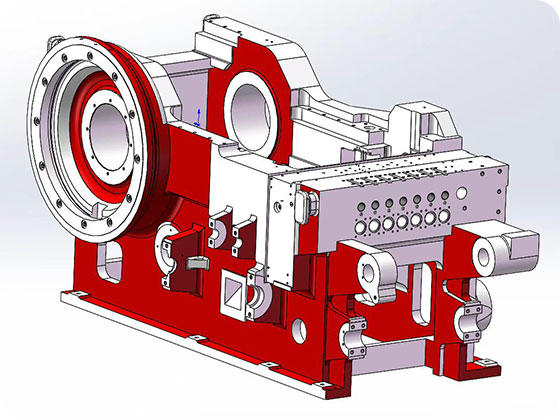
Daily inspection is the foundation of effective cold heading machine maintenance. Before each production shift, operators and maintenance personnel should visually inspect key systems, including the main drive, feeding mechanism, lubrication lines, and safety devices. Loose fasteners, abnormal vibrations, or oil leaks often indicate early-stage mechanical issues.
Preventive maintenance goes beyond visual checks. Establishing a structured maintenance schedule—weekly, monthly, and quarterly—helps identify wear trends before they affect machine performance. Components such as bearings, clutches, brake systems, and transmission elements should be inspected according to operating hours rather than only calendar time.
Accurate maintenance records play a critical role in preventive strategies. Tracking service intervals, part replacements, and machine adjustments allows manufacturers to optimize maintenance cycles and reduce unplanned downtime while extending the overall machine service life.
Lubrication quality directly affects the lifespan of cold heading machines. High-speed forming operations generate significant friction and heat, making correct lubricant selection essential. Oils and greases must meet the viscosity and load-bearing requirements specified by the machine manufacturer.
Key lubrication points—such as slides, guide rails, crankshafts, and main bearings—should never be neglected. Inadequate lubrication accelerates wear, increases energy consumption, and compromises forming stability. At the same time, over-lubrication can attract metal debris and lead to contamination.
Cleanliness management is equally important. Metal shavings, dust, and oil residue should be removed regularly from working areas and lubrication systems. A clean machine environment minimizes abrasive wear and supports consistent forming accuracy during long production runs.
Punches and dies are the most critical wear parts in cold heading machines. Their condition directly determines product quality, dimensional consistency, and tool life. Regular inspection for surface cracks, edge chipping, and uneven wear is essential.
Proper handling during installation and removal helps prevent tool damage. Punches and dies should be cleaned, protected, and stored correctly when not in use. Incorrect storage or careless handling can shorten tool life even before production begins.
Timely regrinding or replacement of forming components is more cost-effective than running worn tools until failure. Excessive tool wear increases forming load, stresses the machine structure, and accelerates wear on other mechanical components, ultimately reducing the overall lifespan of the cold heading machine.
Mechanical alignment is a key factor in maintaining long-term operational stability. Misalignment between slides, guides, and forming stations leads to uneven load distribution and abnormal wear patterns. Over time, this reduces forming accuracy and increases the risk of mechanical failure.
Routine checks of slide parallelism, guide clearance, and feeding alignment help maintain stable operation. Abnormal noise, vibration, or temperature rise often signals alignment issues that should be addressed immediately.
Maintaining operational stability also requires monitoring production parameters. Excessive forming speed, improper material selection, or overload conditions place unnecessary stress on the machine. Balancing productivity with mechanical limits is essential for extending cold heading machine service life.
Operator behavior has a significant impact on equipment longevity. Well-trained operators are more likely to follow correct startup and shutdown procedures, identify early warning signs, and avoid improper machine adjustments.
Standard operating procedures should be clearly defined and consistently followed. Sudden speed changes, frequent overloads, or unauthorized parameter modifications can damage mechanical systems over time.
Close coordination between operators and maintenance teams further enhances machine reliability. Feedback from daily operation helps maintenance personnel address issues early, preventing minor problems from escalating into major breakdowns and ensuring the cold heading machine operates efficiently for years.