
Maradjon naprakész a WXING híreivel és innovációival.
When choosing a cold heading machine, manufacturers should consider more than price and production speed. For bolts, screws, nuts, and other fasteners, processing range, forming capacity, station configuration, die specifications, and actual output all affect production efficiency and product quality.
Therefore, machine specifications should be compared according to the target product, material, dimensions, and required production output.
Max. Cut-off Diameter indicates the maximum wire diameter the machine is designed to process. Confirm that the wire diameter of the target product falls within the machine's specified range. Actual processing capability also depends on the material and forming process, so the maximum diameter should not be considered alone.
Max. Cut-off Length indicates the maximum blank length that can be cut and is particularly important for long-shank bolts. Shank Length of Blank provides additional information about the blank length and should also be checked against the target product's structure and dimensions.
Applicable Bolt Diameter helps determine whether a machine model is suitable for the target bolt size. The actual range should be confirmed based on material, product length, head configuration, and die design.
Forging Force is an important indicator of forming capacity. Required forming force varies with material, wire diameter, and product structure. A higher forging force is not necessarily better. The machine should provide sufficient capacity for the actual forming process.
Number of Stations refers to the number of continuous forming stations on the machine. Common configurations include 3 Die 3 Blow and 4 Die 4 Blow. Products requiring more forming stages or greater material displacement may require more stations. The appropriate configuration depends on product geometry, material flow, and tooling.
Main Slider Stroke affects punch movement and the forming process. It should be matched with the product dimensions, geometry, and die design.
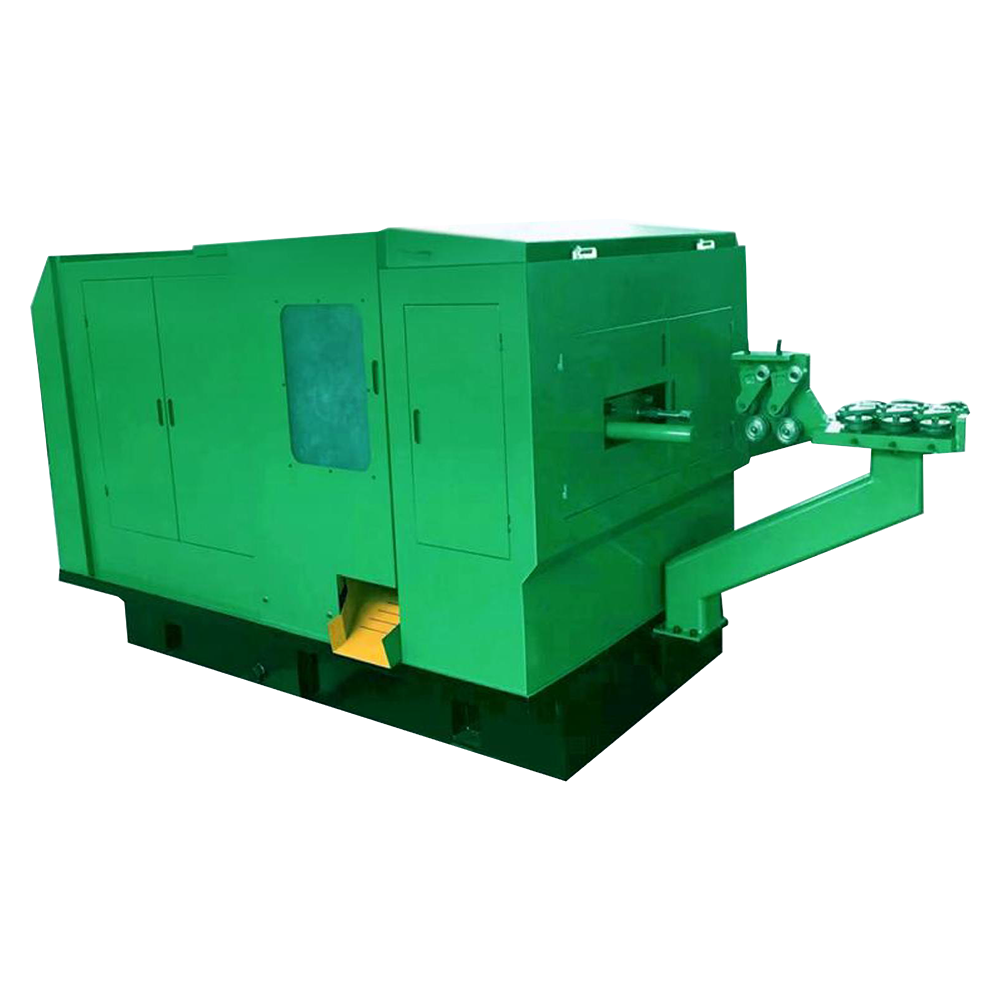
Speed Range is important, but the rated maximum speed does not necessarily equal actual production output. Actual speed depends on product size, material, forming process, die condition, feeding, and machine operating conditions. Ask the manufacturer to confirm the expected production speed and continuous operating stability for the target product.
The following table summarizes the main specifications to compare when selecting a cold heading machine.
Before purchasing, provide the manufacturer with the product drawing, material type, wire diameter, product length, and target output. Then confirm:
For important purchases, actual machine testing is more reliable than comparing specifications alone.
When selecting a cold heading machine, compare processing range, applicable bolt diameter, forging force, station configuration, production speed, die size, and stroke. No single specification determines whether a machine is suitable. The best approach is to match the machine with the product, material, and production requirements, then verify the selection through sample testing or actual production.